See also: wholesale wood pellets for United Kingdom.
The United Kingdom remains one of Europe's most significant wood pellet markets, spanning everything from large-scale industrial biomass power generation to off-grid rural residential heating and a well-established stove-fuel retail sector. For UK wholesale buyers, importing from Portugal means navigating one extra step that EU-to-EU trade doesn't require — customs — but it also means access to competitively produced ENplus A1-equivalent pellets shipped through efficient short-sea container routes. This guide covers industrial consumption, residential demand, sustainability considerations and the practical logistics of importing.
Industrial Consumption: The UK's Large-Scale Biomass Sector
The UK has one of Europe's largest industrial biomass energy sectors, with large power stations and combined heat-and-power facilities consuming wood pellets at a scale far beyond residential or even commercial heating demand. While the largest of these installations typically operate under long-term, large-volume supply contracts with major global pellet producers, the wider industrial and commercial biomass boiler sector — factories, hospitals, leisure centres, and other buildings running dedicated biomass heating systems — represents a substantial and more accessible wholesale opportunity for mid-size distributors sourcing from suppliers like us. These buyers typically order bulk tanker or big-bag volumes and place significant weight on consistent calorific value and moisture content, since fuel-quality variation translates directly into operational cost at industrial scale.
Residential Demand: Off-Grid Heating and the Stove-Fuel Retail Channel
Away from industrial-scale consumption, UK residential pellet demand centres on properties without mains gas connection — a significant share of the UK's rural housing stock — where pellet stoves and boilers compete against oil heating on cost and, increasingly, on emissions. This has sustained a genuine retail stove-fuel market even as the original domestic Renewable Heat Incentive closed to new applicants; oil price volatility and rising interest in lower-carbon heating continue to support demand. UK wholesale distributors serving this channel typically order 15 kg bags on pallets through builders' merchants, fuel retailers and online stove-fuel specialists, alongside big-bag and bulk deliveries to commercial and larger residential biomass boiler customers.
Sustainability: What UK Buyers Should Know About Portuguese Sourcing
Our pellets are pressed entirely from virgin softwood sawdust generated as a by-product of sawmilling within our own Portuguese supply network — not purpose-felled roundwood grown specifically for pellet production. That distinction matters increasingly to UK buyers, particularly those supplying customers with their own sustainability commitments or reporting requirements. We can share sourcing information and current ENplus-equivalent certification documentation with UK distributors who need it for green-procurement policies or to satisfy their own downstream customers' due-diligence requirements. If your specific programme requires Biomass Suppliers List (BSL) registration, it's worth raising directly with our export team so we can confirm current documentation status against your scheme's exact requirements.
Customs and Import Documentation: What's Different About the UK
Unlike our EU export markets, the UK sits outside the EU single market following its departure from the bloc, which means wood pellet imports require a formal customs declaration and are subject to UK import VAT. Wood pellets are typically classified under commodity code 4401 31 for customs purposes. We prepare the export-side documentation and commodity coding as standard practice for every UK shipment, but we recommend UK buyers build the customs clearance step into their overall lead-time planning — it's a routine, well-understood process, but it does add time compared with an EU-to-EU shipment that clears with no formalities at all.
Shipping Logistics: Porto / Leixões to UK Ports
Full containers move by sea from Porto / Leixões to UK ports including Southampton, Felixstowe and Tilbury, with onward road distribution arranged from the port to the buyer's own warehouse or distribution centre. Sea freight transit is typically four to seven days port-to-port, and once customs clearance and onward road delivery are factored in, we recommend UK buyers allow two to four weeks total lead time for a first container order — tighter once a regular shipping rhythm and documentation process are established with a given buyer.
Given the extra planning step customs represents, UK distributors placing regular orders benefit even more than our EU customers from standing seasonal or forward contracts, which let both sides plan production, shipping slots and customs paperwork well ahead of the peak autumn and winter demand period rather than scrambling to arrange a spot shipment when regional European supply has already tightened.
Technical Specification for UK Buyers
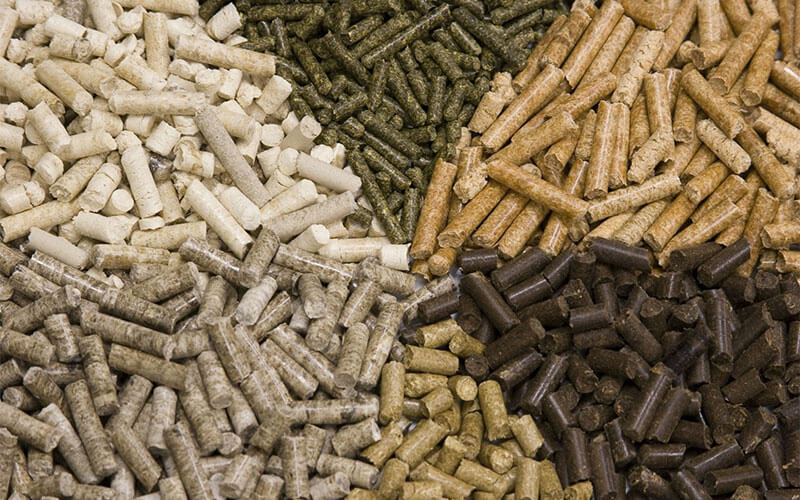
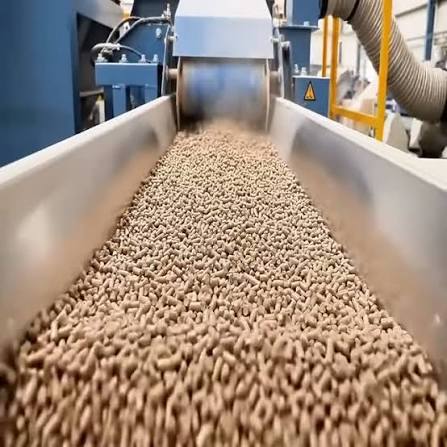
Every batch exported to the UK is produced to ENplus A1-equivalent specification: 6 mm diameter, moisture content below 10%, ash content below 0.7%, calorific value 4.8–5.3 kWh per kilogram, and bulk density around 650 kg per cubic metre. Each production batch is tested for moisture, ash and fines before packing, with batch-level records kept so any delivery can be traced back to its exact production run.
Placing Your First UK Wholesale Order
We recommend new UK distributors start with a conversation about your specific programme requirements — whether that's BSL registration, a particular documentation format for your commercial customers, or simply confirming current ENplus-equivalent status — before finalising a first container order. From there we confirm packaging format, port of entry, and prepare full export and customs documentation ahead of loading.
Comparing Import Options: Portugal Against Other Suppliers
UK buyers evaluating suppliers typically compare across three broad sourcing options: domestic UK production, Baltic and Nordic imports, and Southern European suppliers like us. Domestic UK production can offer shorter transit but is a smaller share of total market supply than demand requires, particularly at peak season. Baltic and Nordic suppliers are well established on the UK route but face the same customs and import-VAT requirements we do, since none of those routes are inside the EU-UK preferential arrangement for this product category. On that level playing field, the comparison usually comes down to price, documented consistency, and how responsive a supplier is when a shipment needs to be rescheduled — all three of which are worth testing with a smaller first order before committing to a full annual volume.
Handling and Storage in the UK Climate
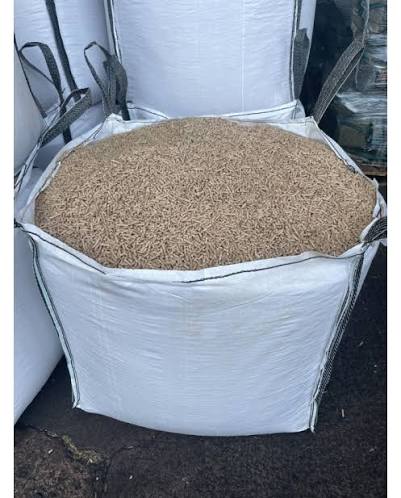
The UK's damp climate makes moisture protection a genuinely important consideration, more so than in some of our drier Southern European markets. We load under cover as standard for every shipment, and for UK orders specifically we recommend moisture-protected big bags over standard palletised bags where practical, given the combination of sea transit and the UK's own humid storage conditions. On the receiving end, covered warehouse storage with pallets kept off bare concrete floors and away from exterior walls prone to condensation will preserve quality through to your customer.
Working With Our Export Team on Customs Documentation
Because the customs step is the one genuinely different part of importing from Portugal compared with our EU markets, we work closely with UK distributors on documentation from the first enquiry — confirming commodity coding, preparing the export-side paperwork your customs agent will need, and being available to answer questions during your first shipment's clearance process. Most UK customers find that after the first container, the process becomes routine and predictable on both sides.
Seasonal Planning for UK Distributors
Given the additional customs lead time, we recommend UK distributors plan further ahead than our EU customers typically need to — placing a first-season order in July or August rather than September, so that customs clearance and onward distribution are comfortably complete before peak autumn and winter demand hits. Distributors with standing annual contracts generally find this planning becomes straightforward once a regular shipping and documentation rhythm is established.
Frequently Asked Questions
Frequently Asked Questions
Is customs duty or import VAT payable bringing wood pellets from Portugal into the UK?
Yes — since the UK is outside the EU single market, shipments require a customs declaration and are subject to UK import VAT. We prepare the export-side documentation and commodity coding (HS 4401 31) as standard for every UK order.
What UK ports do you ship into?
Full containers typically move from Porto / Leixões to Southampton, Felixstowe or Tilbury, with onward road distribution arranged to your warehouse or distribution centre.
Do your pellets meet UK Biomass Suppliers List (BSL) requirements?
Our pellets are produced to ENplus A1-equivalent specification. If your programme requires BSL-listed sourcing specifically, let our export team know so we can confirm current documentation against your scheme's requirements.
How long should UK buyers plan for lead time on a first order?
Sea freight transit is typically 4-7 days port to port; including customs clearance and onward road delivery, we recommend allowing 2-4 weeks total lead time for a first container order.
What is the source of your pellet feedstock, for UK sustainability reporting purposes?
Our pellets are pressed from virgin softwood sawdust generated as a by-product of sawmilling within our own Portuguese supply network, not purpose-felled roundwood. We can share sourcing information and current certification documentation for buyers with their own reporting requirements.