See also: wholesale wood pellets for France.
France is one of the largest and fastest-growing residential wood pellet heating markets in Western Europe, and for wholesale distributors, installers and DIY-retail buyers, Portugal has become an increasingly practical sourcing base — combining ENplus A1-equivalent quality with short road-freight transit into the country's south-west and beyond. This guide covers what's driving French residential pellet demand, how bulk import logistics actually work, and what a wholesale buyer should know before placing a first order.
Why French Residential Heating Demand for Pellets Keeps Growing
French pellet demand has been driven substantially by national incentive schemes, most notably MaPrimeRénov’, which reward households replacing older oil and gas heating systems with cleaner alternatives including pellet stoves (poêles à granulés) and pellet-fired central-heating boilers. This policy support has landed on already-favourable ground: wood heating has deep cultural roots across rural and mountain France — the Massif Central, the Alps, the Pyrenees, and Brittany in particular — where households have burned wood for generations and pellet stoves represent a natural, more convenient upgrade from open fires and log burners.
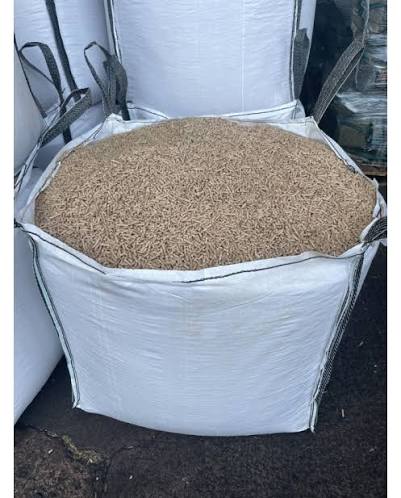
The result is a market that spans two genuinely different customer profiles. On one side, homeowners buying through DIY chains and garden centres (the grande distribution de bricolage channel, including retailers like Leroy Merlin and Gamm Vert) who want small, easy-to-store 15 kg bags for a single stove. On the other, installers supplying full central-heating boiler systems to houses and small commercial buildings, who order in one-tonne big bags to match their delivery and storage infrastructure. A wholesale distributor serving the French market typically needs to supply both.
Residential Heating: What French Buyers Expect from Suppliers
French consumers and installers are increasingly familiar with ENplus A1 as a quality marker, partly because incentive-scheme eligibility for some installations depends on documented fuel and appliance quality. That means a wholesale supplier needs to offer more than a competitive price — verifiable specification and consistent batch quality matter directly to whether your downstream customer's installation qualifies for the incentive they're counting on. We test every production batch for moisture, ash content and fines before packing, and keep records by batch so any delivery can be traced back to its exact production run if a documentation question arises.
Bulk Import Logistics: Getting Pellets from Portugal into France
Road freight is the standard shipping method for French orders, and the route matters for delivery planning. Trucks loaded at our Rebordosa facility cross the Spanish border at Irun/Hendaye or via the Bayonne corridor, which gives distributors in the south-west, Bordeaux and Toulouse regions particularly short transit times — often just a few days from loading. Central and northern France, including the Paris region, typically add a few additional days of road transit, but remain well within normal wholesale delivery windows.
A single full truckload can carry a mixed load — bagged pallets, big bags, or a combination — which is useful for distributors serving both the retail DIY channel and installer customers from one delivery. We recommend French distributors placing regular orders plan around the same seasonal pattern seen across most of Europe: an initial forward order placed in late summer ahead of the autumn restocking rush, when regional supply across the continent starts to tighten, topped up with a smaller reorder mid-season if demand runs ahead of forecast.
Trade Terms Between Portugal and France
As fellow EU member states, Portugal and France trade under single-market rules — there is no customs declaration, no import duty, and no border delay beyond ordinary road transit time. Only standard intra-community VAT treatment applies, which simplifies cost planning considerably compared with importing from outside the EU. This is one of several reasons Portuguese pellets can compete effectively on delivered price against domestic French production and pellets shipped in from further afield in Central or Eastern Europe.
Packaging and Private Label for French Distributors
Beyond standard bagging, we offer private-label bagging for French distributors and retailers ordering at wholesale volumes — useful for retail chains and installer businesses that want their own branding on the bag rather than a generic supplier label. This is arranged on request; send your artwork specification when you request a quote and we'll confirm lead time and minimum volume for a private-label run.
Technical Specification Recap
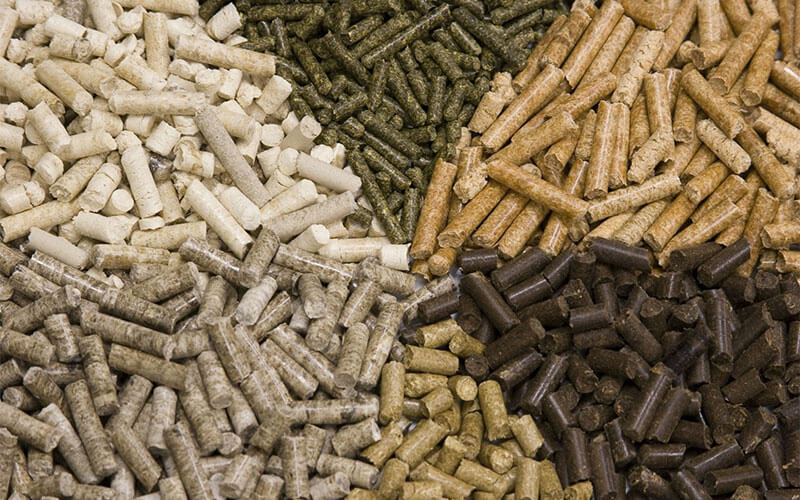
Every batch supplied to French customers meets ENplus A1-equivalent specification: 6 mm diameter pellets, length 3.15–40 mm, moisture content below 10%, ash content below 0.7%, calorific value of 4.8–5.3 kWh per kilogram, and bulk density of approximately 650 kg per cubic metre. Minimum wholesale order is typically one truckload, roughly 24 tonnes. We test every production batch for moisture, ash and fines before packing at our Rebordosa facility, and keep records by batch so any delivery can be traced back to its exact production run if a French distributor ever has a documentation or quality question.
Placing a Wholesale Order for the French Market
We recommend new French distributors start by requesting our current specification sheet and, where practical, a sample bag or two to test burn quality and check fines content against your own equipment before committing to a full truckload. Once quality is confirmed, we agree packaging format — bagged, big bag, or a mix — delivery region and lead time, and prepare export documentation ahead of loading. Most French distributors settle into a simple seasonal rhythm after their first order or two: a forward order in late summer, with a smaller mid-season top-up if needed.
French Market Segments Beyond Retail and Installers
Beyond the core DIY-retail and installer channels, we also supply French buyers in a few adjacent segments worth mentioning. Horeca and small commercial buildings using pellet-fired heating or catering equipment often order through the same distributors supplying residential installers, typically in big-bag format. Agricultural and equestrian businesses in rural France sometimes buy bagged pellets in bulk for bedding as well as heating, a secondary use case worth being aware of if you're a distributor fielding mixed-purpose enquiries. And a growing number of French municipalities are converting public buildings to pellet-fired heating, creating occasional larger commercial tenders that favour suppliers who can document consistent ENplus-equivalent quality at scale.
What French Distributors Should Ask When Comparing Suppliers
Beyond price per tonne, we'd suggest French distributors ask any prospective supplier three things: can you provide batch-level moisture, ash and fines documentation on request; what is your actual delivered lead time to my specific region, not just a generic estimate; and can you supply a mixed truckload combining bagged and big-bag product if I serve more than one downstream channel. A supplier who answers all three clearly and specifically, rather than vaguely, is generally the safer long-term partner regardless of the headline price quoted.
Storage Considerations for the French Climate
France's climate varies significantly from the humid Atlantic coast to drier continental regions inland, which affects storage planning more than buyers sometimes expect. Coastal and south-western distributors, receiving pellets via our shortest French route, should still prioritise covered, well-ventilated storage given regional humidity; inland and mountain distributors generally have an easier time with ambient storage conditions. In all cases, keeping bagged pellets off bare ground and big bags away from direct rain exposure remains the standard precaution regardless of region.
Seasonal Order Planning for French Distributors
Given the strength of France's autumn and winter restocking demand, we recommend distributors place an initial forward order in July or August, well ahead of the September–October rush when regional European pellet supply tightens broadly. A smaller mid-season reorder in November or December, once actual season demand is clearer, rounds out a typical annual ordering rhythm for most of our regular French customers.
Frequently Asked Questions
Frequently Asked Questions
What is driving residential wood pellet demand growth in France?
National renovation incentive schemes such as MaPrimeRénov' encourage households to replace oil and gas heating with pellet stoves and boilers, landing on a market where wood heating is already culturally well established in rural and mountain regions.
What packaging do French wholesale distributors typically order?
Retail and DIY-channel buyers typically order 15 kg bags on pallets (66 per pallet); installers supplying central-heating boiler customers typically order one-tonne big bags. We can mix both formats on the same truckload.
How long does delivery take from Portugal to France?
South-west France, including Bordeaux and Toulouse, typically receives a full truckload within 2-3 days of loading via the Irun/Hendaye or Bayonne border crossings; central and northern France typically add a few further days.
Is customs duty payable importing wood pellets from Portugal to France?
No. Portugal and France are both EU member states trading under single-market rules, so shipments move without customs duty or import declarations — only standard VAT applies.
Can you supply pellets under a French distributor's own private label?
Yes, private-label bagging is available for French distributors and retailers ordering at wholesale volumes — send your artwork specification when you request a quote.