See also: wholesale wood pellets for Spain, our main ENplus A1 wood pellets page.
Of every European market we export wood pellets to, Spain benefits from the shortest transit distance, the most direct road logistics, and consequently some of the most competitive delivered pricing in our entire network. For Spanish distributors, installers and biomassa fuel wholesalers evaluating suppliers, understanding exactly why Portuguese ENplus A1 pellets can compete so effectively on price — without compromising on specification — comes down to three things: distribution structure, logistics distance, and disciplined quality control through the supply chain. This article walks through all three.
Why Price Competitiveness Starts with Geography
Freight is one of the largest variable costs in any wholesale pellet order, and it scales directly with distance. A supplier in the Baltics or Central Europe shipping pellets into central or southern Spain is moving product 2,000–3,000 km or more; from our facility in Rebordosa, near Porto, a full truckload reaches Galicia via the Tui/Valença crossing or Extremadura via Badajoz within a single day or two. That difference in transit distance translates directly into lower freight cost per tonne, and it's the single biggest reason Portuguese pellets can be priced competitively against both domestic Spanish production and pellets shipped in from further afield — without cutting corners on the pellet specification itself.
Distribution Channels in the Spanish Pellet Market
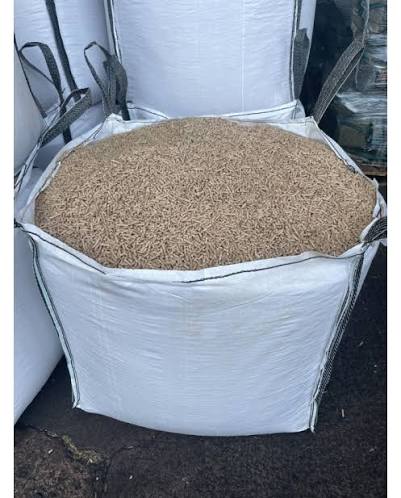
Spanish wholesale demand splits across a few distinct channels, and understanding which one you're serving shapes both packaging choice and pricing structure. Retail and small-installer distribution through ferreterías and specialist biomass fuel retailers typically moves in 15 kg bags on pallets (66 bags per pallet), giving end customers a manageable unit for home storage. Mid-size commercial and installer customers — supplying central-heating boiler systems to homes and small commercial buildings — generally order one-tonne big bags, which reduce packaging cost per tonne and suit buyers with forklift handling. At the top of the volume scale, small district-heating schemes and larger commercial boiler operators order bulk tanker delivery, the lowest-cost format per tonne but one that requires silo or bulk storage infrastructure at the receiving site. We supply all three formats from the same production base, and many of our Spanish distributor customers order a mix on the same truckload to serve multiple downstream channels from one delivery.
Logistics: How Pellets Move from Rebordosa to Spanish Distributors
Because Spain shares a land border with Portugal, road freight is overwhelmingly the most practical shipping method — there's rarely a case for sea freight or transhipment on this route the way there is for more distant markets. Trucks loaded at our Rebordosa yard typically cross into Galicia via Tui/Valença for buyers in the north-west, or into Extremadura via Badajoz for central and southern Spanish destinations. This directness cuts out the handling costs, port fees and transit delays that come with container shipping, and it means a Spanish distributor can plan delivery windows with more precision than a buyer sourcing from a supplier requiring sea freight.
For Spanish distributors placing regular orders, the practical planning question isn't really "can we get pellets from Portugal quickly" — it almost always is quick — but rather how to structure order timing around seasonal demand. Like the rest of Europe, Spanish pellet demand peaks ahead of and during the winter heating months, and distributors who place standing orders or forward contracts before the autumn restocking rush typically lock in more stable pricing and guaranteed truckload availability than those buying reactively once regional supply has already tightened.
Quality Standards: Why Competitive Price Doesn't Mean Compromised Spec
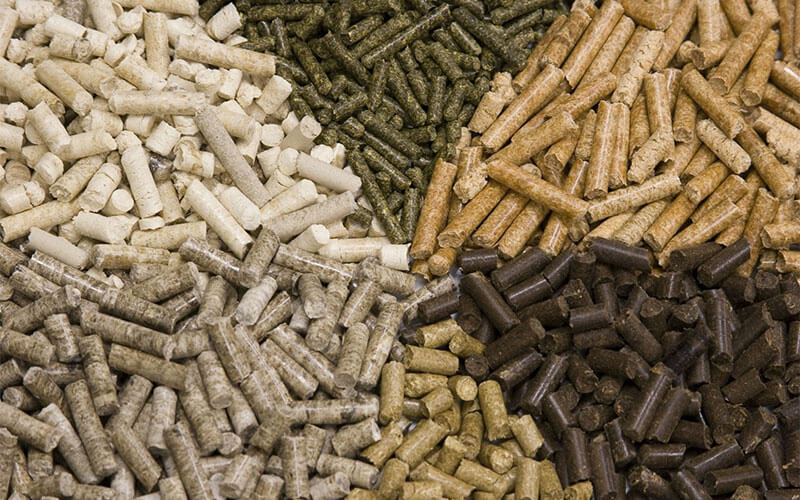
Every pellet we export to Spain is produced to ENplus A1-equivalent specification: 6 mm diameter, moisture below 10%, ash content below 0.7%, calorific value of 4.8–5.3 kWh per kilogram, and bulk density around 650 kg per cubic metre. These numbers aren't just certification-scheme box-ticking — they determine real operational outcomes for your customers: how much heat a tonne actually delivers, how often an automated boiler needs its ash removed, and whether pellets arrive intact or broken down into dust-generating fines after transport. Because our transit distance into Spain is so short, pellets also spend less time in transit than shipments from more distant suppliers, reducing the handling and moisture-exposure risk that can degrade pellet quality over a longer journey.
Every production batch is tested for moisture, ash and fines before packing at our Rebordosa facility, with records kept by batch so any delivery can be traced back to its exact production run if a quality question ever comes up. Spanish buyers increasingly expect this level of documentation as standard rather than a premium extra, and we're happy to share current batch documentation with new distributors evaluating us against domestic or other European suppliers.
Supply Chain: From Portuguese Sawmill to Spanish Stove
Our pellet feedstock comes from clean, low-bark softwood sawdust generated as a by-product of sawmilling within our own Portuguese sourcing network — not purpose-felled timber, and not construction or demolition wood that can introduce contamination risk. This upstream sourcing discipline is part of what keeps our production cost, and therefore our delivered Spanish pricing, competitive: we're not paying a premium for dedicated pellet-grade roundwood the way some producers further from an active sawmilling industry might be.
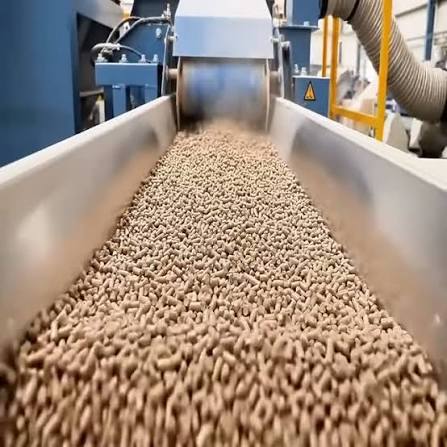
From there, the supply chain is short and largely within our own control: sawdust feedstock, pressing and packing at our own facility, loading under cover to protect against moisture pickup, and direct road transport across the border. Fewer intermediate handling steps means fewer opportunities for quality to degrade or costs to accumulate before the pellets reach a Spanish distributor's own warehouse.
Trade Terms: No Customs Friction Between Portugal and Spain
As fellow EU member states sharing a land border, Portugal and Spain trade under full single-market rules. There's no customs declaration, no import duty, and no border delay beyond ordinary road transit — just standard intra-community VAT treatment, which any Spanish business already handles routinely for EU trade. This absence of customs friction is a meaningful, often underappreciated part of why the Spain route is so cost-efficient compared with importing from outside the EU.
Requesting a Competitive Spanish Wholesale Quote
Because pricing depends on packaging format, exact delivery point and current production schedule, we quote Spanish orders directly rather than publishing a fixed list price. Tell our export team your target volume, preferred packaging — bagged, big bag or bulk — and delivery region, and we'll put together a delivered price that reflects our short-transit cost advantage alongside our current ENplus A1-equivalent specification sheet.
Comparing Portuguese Pellets Against Domestic Spanish Supply
Spain has its own domestic pellet production, so a fair comparison for a Spanish distributor isn't Portugal versus a distant European competitor — it's Portugal versus domestic Spanish suppliers. On specification, the comparison is straightforward: our pellets meet the same ENplus A1-equivalent numbers a Spanish buyer would expect from any credible domestic producer. Where Portuguese supply tends to add value is capacity flexibility during peak season, when domestic Spanish production can tighten under high demand, and price competitiveness driven by our short transit distance and efficient sawmill-residue sourcing. Many of our Spanish distributor customers use us as a second source alongside domestic supply, rather than a full replacement, precisely for that flexibility.
Handling and Storage Recommendations for Spanish Distributors
Spain's generally dry climate is favourable for pellet storage compared with damper northern European markets, but standard precautions still apply: bagged pellets on pallets in covered, dry storage; big bags kept off bare ground and away from direct rain exposure; bulk deliveries into a proper silo with sealed discharge. Given the short transit time from Portugal, moisture exposure risk during shipping itself is lower than for our more distant markets, which is one more reason Spanish buyers see consistently strong quality on arrival.
Working With Our Export Team
Because pricing, packaging format and delivery point are all interconnected, we handle Spanish quotes through direct conversation with our export team rather than a published price list. This lets us tailor the quote to your actual delivery region and handling setup, confirm current ENplus-equivalent documentation, and, for regular distributors, discuss standing order arrangements ahead of the autumn restocking period.
Frequently Asked Questions
Frequently Asked Questions
Why are Portuguese wood pellets competitively priced for the Spanish market?
Primarily because of geography: Spain is our shortest-transit export market, often reachable within a single day or two by road, which significantly reduces freight cost per tonne compared with pellets sourced from Central Europe or the Baltics.
What packaging formats do Spanish wholesale distributors typically order?
Retail and small-installer channels typically order 15 kg bags on pallets; mid-size commercial and installer customers order one-tonne big bags; larger buyers with silo infrastructure order bulk tanker delivery.
Do Portuguese pellets meet the same specification as pellets from other European suppliers?
Yes — our pellets are produced to ENplus A1-equivalent specification (6mm diameter, moisture below 10%, ash below 0.7%, calorific value 4.8-5.3 kWh/kg), with every batch tested and documented before packing.
Is customs duty payable importing wood pellets from Portugal into Spain?
No. Both countries are EU member states trading under single-market rules, so shipments move without customs duty or import declarations — only standard VAT applies.
What is the minimum order quantity for the Spanish market?
Wholesale orders typically start at one truckload (around 24 tonnes); we can sometimes arrange a smaller trial pallet of bagged pellets for new Spanish distributors — ask our export team about current availability.